
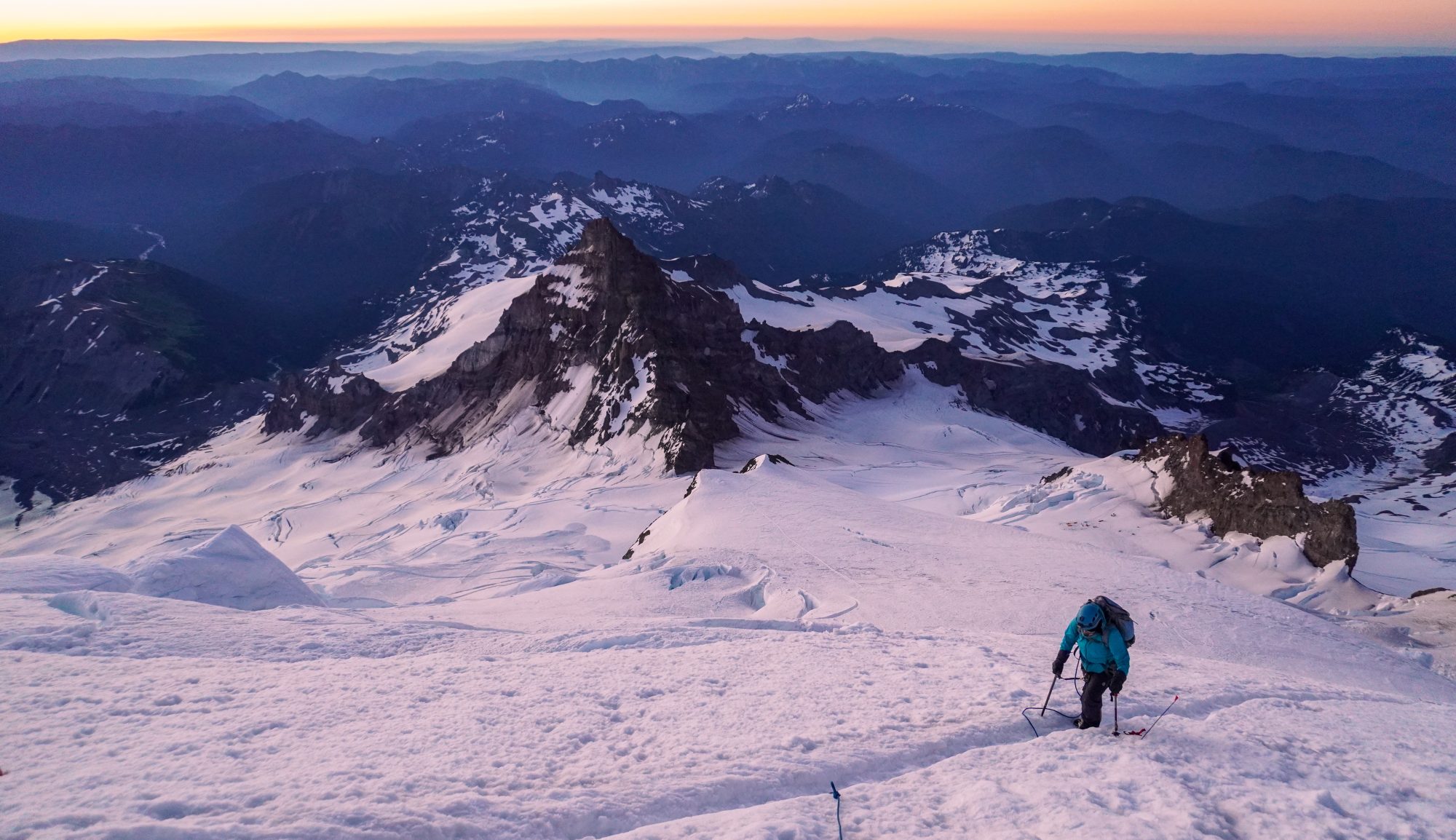
Report from 7/7/18
There are dozens of articles out there on trekking to EBC, reguarding “do’s and don’ts”, “things I wish I knew”, etc.
The reality is, none of that can really prepare you for the experience itself. I myself, have been dreaming of the day I could finally see Everest since I was about 9 years old. I studied everything. read every article, every forum, every blog….. and there were still surprises.
First off, the reality:
It seems like everyone always says they wish they trained more. I thought so too, but physically I did really well. My body and legs felt very strong. I didn’t have any issues with altitude sickness, but breathing up high (especially with asthma) is incredibly difficult. The trick is to just find your pace, and stick to it. It’s OKAY to go slow!

Also, if this is you’re first trip to Asia, or a developing country, you are almost guaranteed to get sick. Be prepared to eat the same half a dozen “safe” dishes in every teahouse… I watched my trekking partner eat whatever he wanted with no issues, but he had much more travel experience than me and was living in Bangkok where he was used to the bacteria common in Asia. I on the other hand, got food poisoning 3 different times. I was able to pinpoint which foods where the most likely culprits and I avoided them the rest of the trip. I was trying to play it safe eating vegetarian up there, but cheese was a bad idea, even vegetables themselves can be a risk if not cooked or washed properly. If you are a first timer, stick to pasta dishes, oatmeal, ramen, rice dishes, popcorn, and dal bhat (a traditional dish of rice and lentil soup). You will get incredibly tired of eating the same thing for 2 weeks, but it is the safest option.
Another piece of advice I once read about was to take multivitamins with you to make up for the lack of nutrients. I felt like this was helpful and I think this strategy also helped keep me from catching the “khumbu cough”.
This was my first time out of the country. I went from 1st world luxuries in the US, to the vastly different world of Nepal. My first night in Kathmandu was complete culture shock, and took some getting used to. (Read more about when I first arrived in Kathmandu here.) There were a lot of emotional ups and downs on this trip. I learned a lot about myself on this trip… particularly things I didn’t expect.
I learned that dreams take more work than initially planned. It took me a lot longer to finally get a chance to trek to EBC than I wanted but in reality, I would not have been ready before now. This was step one in my complete dream to climb the Seven Summits. But when I finally got to see the Himalayas in person, that felt absolutely daunting. I began to realize how glorified, and “easy” documentaries and movies make Everest look. Everest is HUGE!! The mountain is scary, dark, and looming. The reality of the darkness this mountain carries really begins to sink in once finally seeing it in person. SO much death, pain, misery, and despair. Out of those who summit and live, many go through a personal hell to achieve that goal. They come home 30+lbs lighter, sun damage on their face, and may even lose a few fingers or toes to frostbite.

During my time in Nepal, I experienced only a small fraction of this and it was a lot harder than I expected. I lost close to 15lbs in total just in the 2 weeks I was in the mountains due to both traveler’s diarrhea and hiking 5-6 hours a day. Despite putting on sunscreen nearly every hour, I still maintained a pretty severe sunburn on my face. And on days I felt sick and exhausted, separation anxiety kicked in. As a kid, I spent a month each year at a summer camp in Colorado, happy to get away from my family and never had a problem with homesickness. This time I was leaving behind a husband, who is my rock in everything. Not being able to contact him when I was having a hard time was incredibly difficult. I began to really wonder if Everest and the rest of the Seven Summits was what I really wanted. It would mean spending money on years of training and climbing, surviving miserable trips full of pain, and discomfort, all for just one shot at the summit…. is it really worth all that trouble? Do I care enough? The answer is yes, however it is going to be A LOT harder than I expected… And honestly I’m a bit terrified.
On a bit of a lighter note, there is a special feeling and spiritual connection that has developed over the years for me when it comes to climbing high peaks; the Himalayas were no exception. I have known for years that I always felt closer to my deceased sister in the mountains, but I also just feel connected to mother nature and the beauty around me. Being alone in the Himalayas gave me a much larger perspective on the matter.
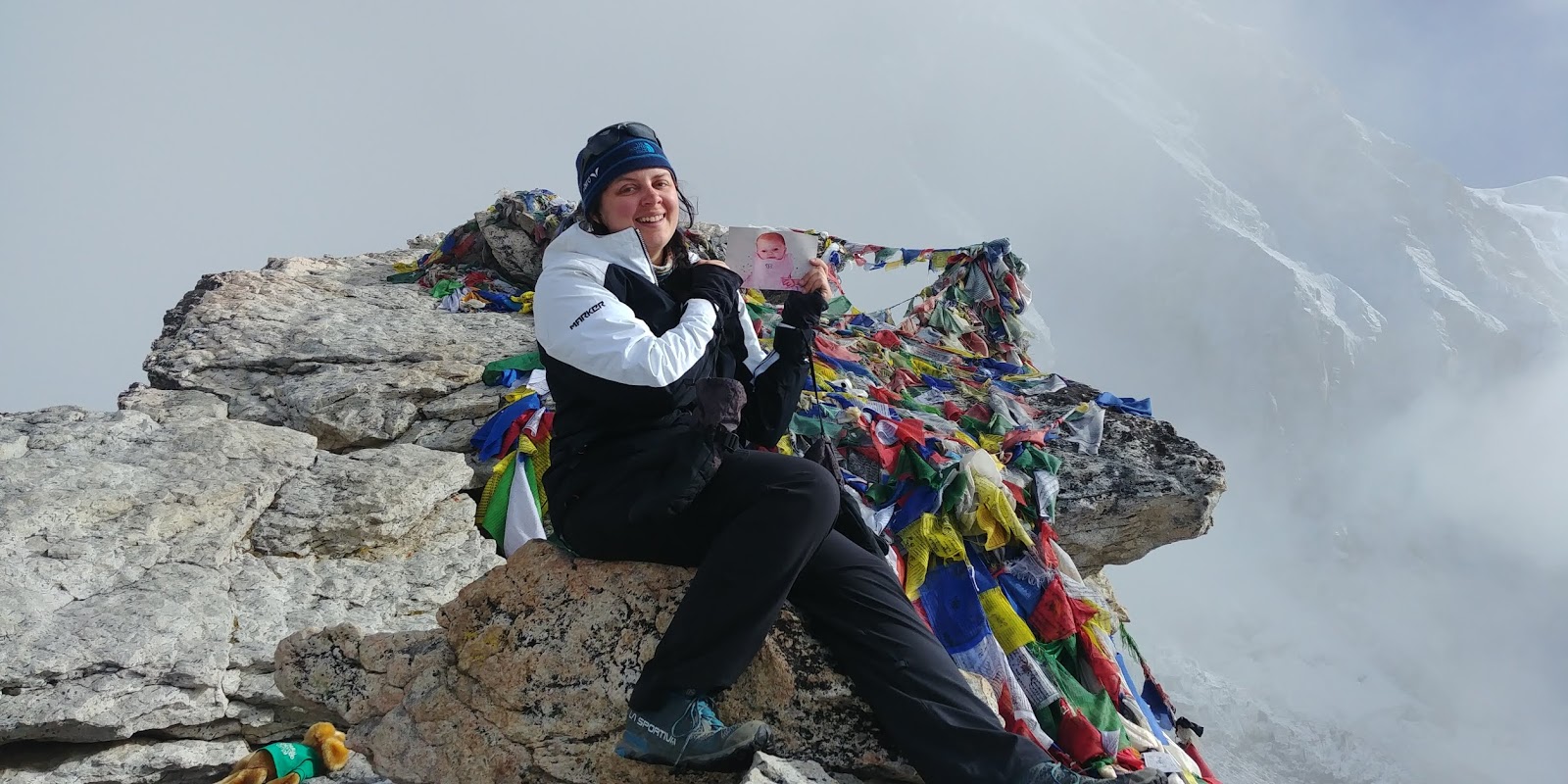
My favorite day of the entire trek was not the day we climbed Kala Patthar or went to EBC, it was the day we trekked from Dingboche to Lobuche. We had 360 degree views of the mountains that surrounded us, and we visited the Sherpa Memorial field. The mountains were the most beautiful I had ever seen, and I could feel how the memorial field was a very sacred place on the mountain. This was the day I could really feel that connection, but that wasn’t the only one. There were a lot of moments throughout the trek where I felt like I was really able to be myself in a spiritual way which was something I had been craving for a long time.

Growing up in a religious family brought up a lot of issues over the years. I felt like I couldn’t be myself. I felt like I was being forced into living expectations I couldn’t possibly live up to. Fear caused me to unfortunately hide how I felt for years, which contributed to depression, and my eating disorder after high school. I never really had the chance to come into my own until I was able to work through many of those issues through therapy and I began to look inside myself to figure out what I even believed in.

This trip really helped me cement some core beliefs on my spiritual side that had been lost nearly my entire life. I believe that personal spirituality, and your personal relationship with whatever you believe is far more important than the religion itself. A belief I personally feel like has been lost in many common religions today. This is not to bash on anyone that belongs to a religion and practices regularly, there is nothing wrong with that! There are a lot of genuine people that are members of a church. However, I have personally found a lot of hypocrisy in religion growing up, and I know I am not the only one who has felt this way. Religion is made up of people. People are human. Nobody is perfect. Therefore, no matter the religion, you can always find flaws. This is why your personal relationship with your spirituality is the most important. Being responsible for your actions, holding yourself accountable, no matter what they are, and just working on being a better person all the time is the best thing you can do, with religion in your life or not.
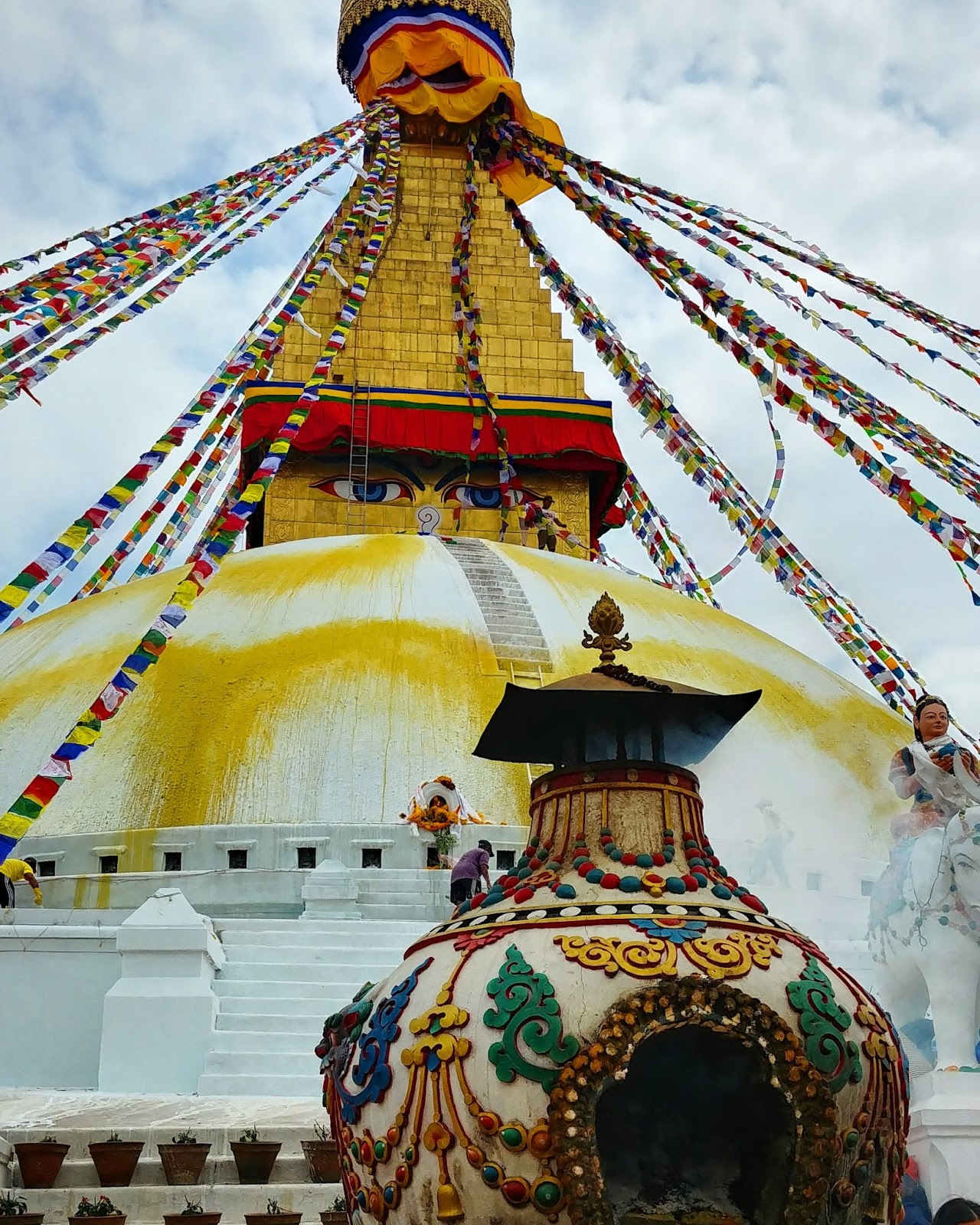
One thing I really loved about Nepal is that it is an incredibly spiritual country. You can find every type of person on the religious spectrum, such as monks praying at the stupas, non-practicing, and everything in between. But no matter who they are, everyone is nice, helpful and genuine. This has a lot to do with the Buddhist belief in Karma, but more than that, it is their culture and it was probably the most real place I have ever been in a spiritual sense. Simply put, people just want to help, and are trying to be good, whether they are Bhuddist, Hindu, Christian, Muslim, or something else. This is how everyone should be, this is how our would should be, and this was the best thing to learn about myself on my trek to EBC.




 Jacque Tietjen